Scroll through fitness content online and you may notice a strange shift. Not every workout now looks loud, fast, or exhausting. Some people are moving slowly, placing each foot with care, breathing steadily, and calling it Tai Chi Walking.
At first, it can look almost too gentle to matter. There is no heavy sweating. No dramatic transformation challenge. Yet the claims around it are getting bigger. Some people say it improves balance, reduces stress, supports posture, sharpens focus, and helps people age with more confidence.
That sounds appealing. It also sounds like the kind of claim the wellness internet loves to exaggerate.
What Tai Chi Walking Actually Is ?
Tai Chi Walking comes from the movement principles of traditional Tai Chi. Instead of walking on autopilot, each step becomes deliberate. You shift your weight slowly, stay aware of your posture, and move with control rather than speed.
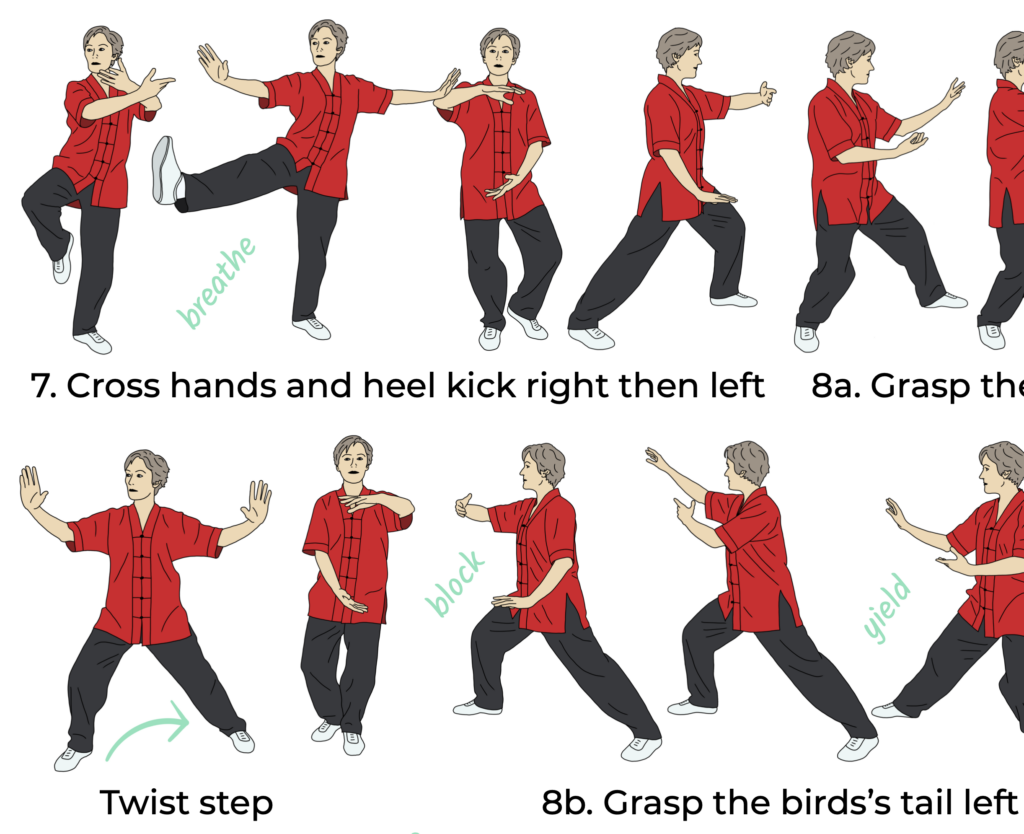
The point is not to punish the body. The point is to train awareness, stability, and coordination.
Modern fitness culture often treats intensity as proof that something works. If you are not breathless, sore, or dripping with sweat, many people assume you did not do enough. Tai Chi Walking challenges that idea. It asks whether slower movement can still improve the way the body functions.
Why People Believe Tai Chi Walking Works ?
The strongest argument in its favor is balance. Research on Tai Chi has often focused on older adults, fall prevention, and mobility. That makes sense, because slow weight shifting and controlled stepping train skills many people lose with age.
When you practice moving from one foot to the other with attention, you are not just walking. You are teaching the body to stabilize itself.
That does not mean Tai Chi Walking is magic. It means it may be useful in a very practical way. Falls are a serious concern for older adults, and balance is not something most people train directly. A gentle method that helps people feel steadier on their feet has real value, even if it does not look impressive on social media.
The Mind-Body Appeal of Tai Chi Walking!
There may also be mental benefits. Tai Chi Walking requires focus. You cannot rush through it while completely distracted. The rhythm of slow movement, breathing, and attention can make it feel like a form of moving meditation.
For people who find seated meditation difficult, this may be an easier way to calm the mind while still staying active.
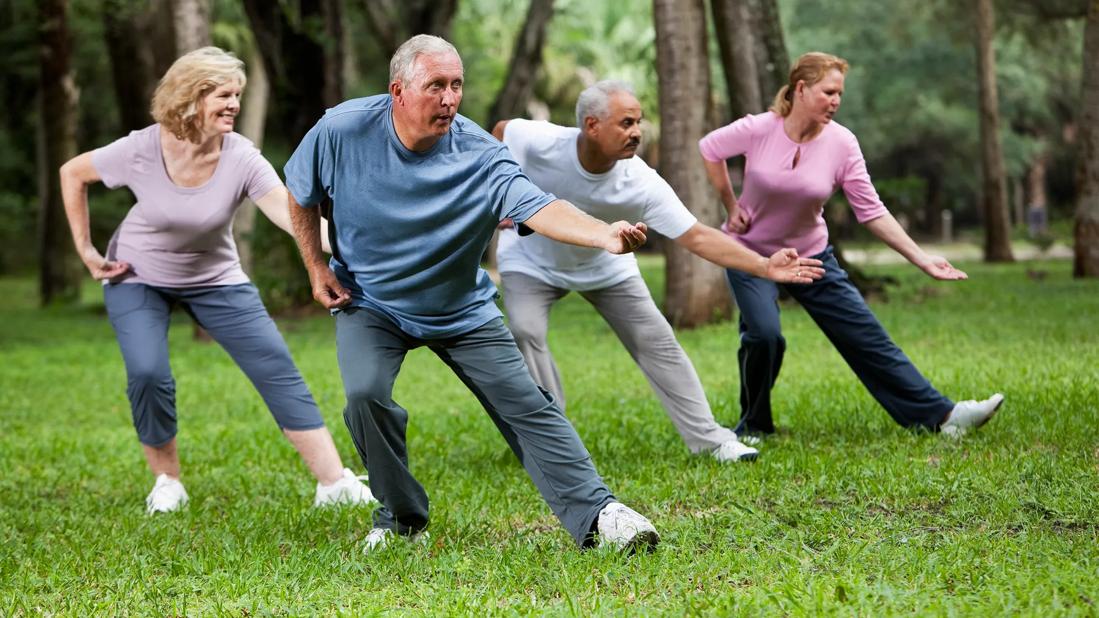
The appeal is not hard to understand. Many people are tired of fitness programs that feel punishing. They want something they can actually continue. Tai Chi Walking does not require a gym, special equipment, or a high fitness level. That makes it especially attractive for beginners, older adults, people returning from injury, or anyone who feels overwhelmed by intense workouts.
Where The Skepticism Begins
Still, the skepticism is fair.
The problem is not Tai Chi Walking itself. The problem is what happens when the wellness industry gets hold of it. A modest practice with possible benefits can quickly become a miracle trend.
Suddenly, people claim it can reverse aging, replace gym workouts, melt fat, fix posture, and transform the body with almost no effort.
Those claims deserve criticism. Tai Chi Walking may improve balance, coordination, and body awareness, but it is not the same as strength training. It will not build muscle like lifting weights. It will not challenge the heart and lungs like brisk walking, cycling, swimming, or running.
If someone presents it as a complete replacement for all exercise, they are probably overselling it.
Tai Chi Walking – Useful Practice or Overhyped Trend?
This is where the controversy becomes useful. Dismissing Tai Chi Walking as a fad would be too simple. There is enough evidence and practical value to take it seriously. But accepting every online claim would be just as careless.
The truth is less dramatic, but more helpful.
Tai Chi Walking likely works best as part of a broader movement routine. It can support balance, mobility, posture awareness, and stress control. It may help people reconnect with how they move. It may also offer a gentle entry point into exercise for those who do not feel ready for intense training.
But it should not be treated as a shortcut to total fitness. A strong body still needs resistance work. A healthy heart still benefits from cardio. Good mobility still depends on regular movement in daily life.
Tai Chi Walking can contribute to that picture, but it probably cannot replace the whole thing.
So, Does Tai Chi Walking Actually Work?
It depends on the promise being made.
If the promise is better balance, calmer movement, improved coordination, and a more mindful way to stay active, then yes, it may genuinely help.
If the promise is effortless fat loss, reversed aging, or a full-body transformation without real training, then no, that is hype.
That distinction matters. Not every useful practice needs to be revolutionary. Sometimes a simple, gentle habit is valuable because people can actually keep doing it.
Tai Chi Walking is not magic. It is not useless either. It is a quiet practice being pushed through a noisy wellness machine. The practice may deserve attention. The hype deserves doubt.
Leave a Reply